


LinkedIn automation, run for you200 messages sent for you, in your voice · 10 places left · closes in Run my first campaign

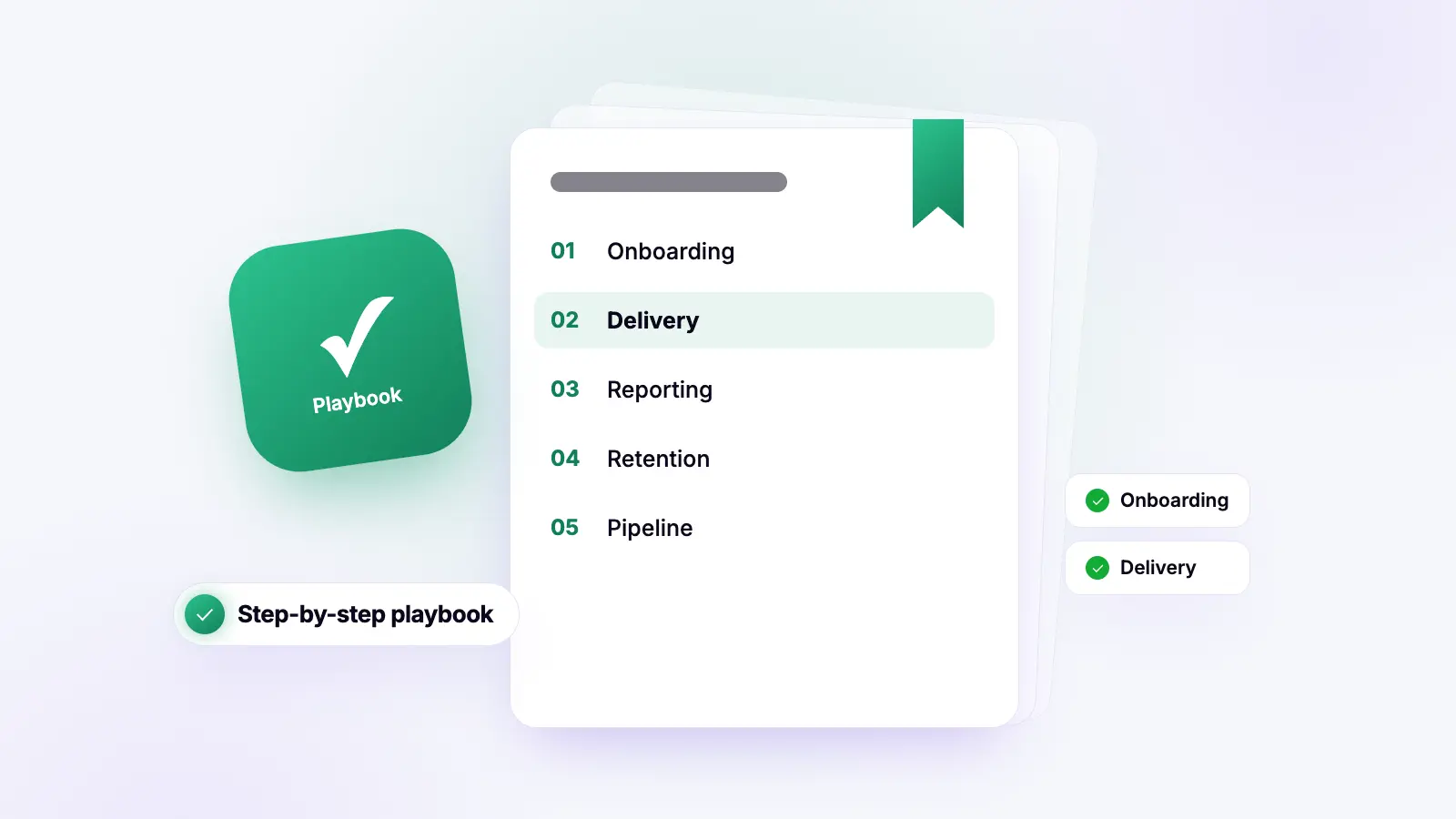
Claude Playbook For SaaS

Connect Claude to your Notion workspace:

Try Prosp Free200 messages sent for you · 10 places left
5/5 rated on Capterra·Used by 800+ agencies and sales teams
Playbook9 sections
Section 1

Integrations

Notion Deep Integration

Connect Claude to your Notion workspace:

The workflow:

Advanced Setup

Section 2

Advanced Workflows

The Reusable Analysis Pipeline

*Setup (one time):*

Weekly execution:

The First Time vs Every Time After

The Content Multiplication System

The problem: You need the same insight adapted for LinkedIn, email, and a slide deck.

The old way: Write three separate pieces.

The Claude way:

  1. Start with a detailed brief: "Here's a client result: [describe it]. I need this adapted for: 1) LinkedIn post, 2) Cold email sequence (3 emails), 3) 5-slide case study presentation."
  2. Add context: "Use the style guidelines in this project. Reference the client's industry (already uploaded in context docs). Match the tone to each channel - LinkedIn is conversational, email is direct, slides are executive-focused."
  3. Get all three: Claude creates all formats simultaneously, properly adapted, in minutes.
  4. Iterate: "Make the LinkedIn post 30% shorter" or "The email 2 needs a stronger CTA"

One insight → Three polished assets → 15 minutes total.

The Client Deliverable Factory

When you need professional client-facing documents fast:

TL;DR:

Section 3

The Iteration Framework

Why First Drafts Are Never Enough

Claude's first response is good.

The third iteration is excellent.

Most people stop at the first response. That's the mistake.

The 3-iteration minimum:

Iteration 1: Get the structure and main content

Iteration 2: "Make this 30% shorter without losing impact. Remove anything that sounds like AI wrote it."

Iteration 3: "Add one highly specific example based on [reference material]. Make the hook more contrarian."

Each iteration compounds quality.

The Refinement Prompts

The Role-Playing Critique

After Claude creates something, have it critique itself from different perspectives.

"You're a skeptical CFO reviewing this campaign proposal. What holes do you see? What claims need more support? Where am I hand-waving?"

Or:

"You're a competitor trying to poke holes in this LinkedIn post. Where is it vulnerable? Where does it make claims it can't back up?"

This forces genuine critical analysis.

You fix weak points before publishing.

Section 4

Common Mistakes

Mistake 1: Treating Claude Like a Search Engine

Claude isn't for finding information.

It's for reasoning about information.

Wrong use: "What's the best cold email tool?"

Right use: "Here's my use case: [details]. I'm deciding between Instantly and SmartLead. Compare them across deliverability, ease of setup, cost at 50K sends/month, and integration with Apollo. Factor in that I value support quality highly. Give me a decision framework."

You get analysis, not just facts.

Mistake 2: Not Uploading Source Material

"Analyze my campaign performance."

But you don't upload the CSV.

Claude can't analyze what it can't see.

The fix: Always upload the actual files. CSV, PDF, screenshots, whatever.

Vague descriptions → vague analysis.

Actual data → specific insights.

Mistake 3: Accepting First Drafts

The difference between good and world-class is iteration.

First draft: 6/10

Second iteration: 8/10

Third iteration: 9/10

But most people stop at 6/10 because it's "good enough."

Your competitors who iterate are publishing 9/10 content.

Guess who wins?

Mistake 4: Not Using Projects

Every conversation starts from zero context.

You repeat yourself constantly.

Your instructions don't persist.

The fix: Create Projects. Upload docs once. Set instructions once. Every conversation inherits that context.

Context persistence is everything.

Mistake 5: Forgetting Claude Creates Actual Files

"Write me a report" → You get text, you copy-paste into Google Docs

"Create a .docx report" → You get a downloadable Word doc

One extra word ("Create a") gets you a finished deliverable instead of raw text.

Section 5

Top Settings

The Style Feature

Go to Settings → Style.

This is where you train Claude to write like you, not like AI.

Here's what to add:

**Copy-Paste Template for GTM Agencies **

Projects

Go to Settings → Projects.

Each project has:

Create separate projects for:

The workflow:

Extended Thinking Mode

There's a toggle for this in each conversation.

When enabled, Claude spends significantly more time reasoning before responding.

Use it for

When not to use it

Example

Section 6

Computer Use

File Creation

Claude can create actual downloadable files.

Don't say: "Write me a report."

Say: "Create a .docx report with [specifications]."

What Claude can create:

Example Prompts

Data Analysis

Claude has a full Linux environment with Python.

That means:

Workflow

Use Case

Multi-File Analysis

Upload multiple files simultaneously. Claude can cross-reference them.

Example scenario:

Section 7

Memory & Context

The Memory System

Claude maintains memories about you across all conversations.

You can explicitly train it:

*Tell Claude to remember this (example):*

How to Manage Memory:

Past Chats Search

Claude can search your entire conversation history.

"What did we discuss about X client' UK conversion rates?"

Claude finds it, pulls the context, continues from there.

No more: "I asked you this 3 weeks ago, let me scroll back..."

Advanced use:

Project Context

Within Projects, uploaded documents are permanently searchable.

Upload your:

Do this:

Section 8

Search & Research

Web Search Integration

Claude automatically searches when:

  • It detects information might be outdated
  • You ask about current events
  • You request recent data

But you can force it:

**Advanced technique: **

Research Workflow for Competitive Analysis

Image Search

Not just text. Claude can find and show images.

Use cases for agencies:

  • "Show me examples of high-converting LinkedIn carousels about cold email"
  • "Find visual examples of dashboard layouts that look professional but not overwhelming"
  • "Show me different ways agencies present case studies visually"

You get visual inspiration, not just text descriptions.

Section 9

Artifacts

How to Use and What They Are

When Claude creates certain types of content, it appears as an interactive element.

You can:

What Claude can create as artifacts:

Example Use Cases

10 pilot places left · closes in

Run a free pilot on your own list

We source the list, write the messages in your cloned voice and send 200 of them. You approve every draft and keep every reply.

5/5 rated on Capterra·800+ agencies and sales teams·Set up in 5 minutes
10 free pilot places left this monthTry Prosp Free